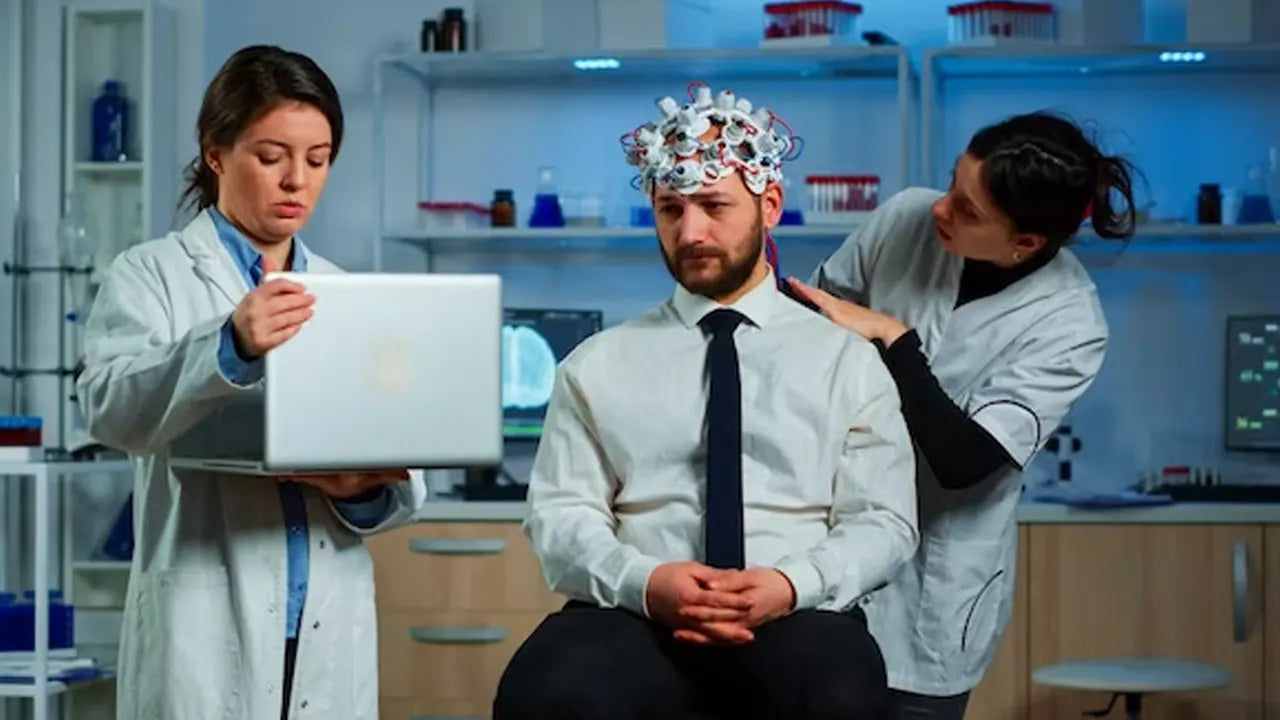
If you struggle with foggy thinking during demanding tasks, nutrition is one place to look. This guide covers vitamins for memory and brain, vitamin B12 and cognitive function, and B12 deficiency and memory problems, and explains what supplements can and cannot do for focus and concentration.
Can Supplements Improve Memory and Concentration?

With so many supplements on the market, it can be hard to tell exaggerated advertising claims from products that may actually help. Supplements may support focus mainly when they correct a shortfall in a nutrient your brain needs. If your diet already provides enough, extra supplements are less likely to make a noticeable difference.
Supplements for Focus and Concentration
Vitamin B12 is a key nutrient for neurological function, and low B12 can be linked to memory problems. B12 is not the only nutrient involved in brain health, and no supplement is a guaranteed brain booster.
What Role Do B Vitamins Play in Brain Health?

B vitamins take part in the chemical reactions that turn food into energy and support the nervous system, so they may help support normal brain function. Getting enough of them from food or a supplement helps your brain work the way it should.
The B Vitamins and Brain Function
Riboflavin, niacinamide, and pyridoxine (B6) are B vitamins involved in energy production in cells, including brain cells. B12 and folate (B9) are also important for the nervous system. Food sources of B12 include meat, fish, eggs, and dairy, and fortified foods if you follow a vegan diet.
How Can Vitamin Deficiencies Impact Concentration?

Our thinking can suffer when we lack essential nutrients. Vitamin deficiencies, particularly in B12, can contribute to memory and concentration problems, along with fatigue.
People at higher risk of B12 deficiency include those on vegan diets, older adults, and people with absorption problems or who take certain medications such as metformin. If you are persistently tired or foggy, ask your doctor about testing rather than assuming a supplement is the answer, since focus problems have many possible causes.
Filling the Nutritional Gap
When your diet does not provide enough of the nutrients your brain needs, a supplement may help fill the gap. Omega-3 fatty acids from fatty fish, flaxseeds, chia seeds, and walnuts are another nutrient group that may support brain health. Sleep and hydration also matter: poor sleep and dehydration can make it harder to concentrate, so they are worth addressing along with nutrition.
What Are the Best Ways to Improve Focus and Concentration?

A nutrient-rich diet, regular physical activity, enough sleep, and staying hydrated are the foundation. Supplements can be added when there is a specific need.
B Vitamin Support
The OPA Liquid Vitamin B12 supplement contains methylcobalamin, riboflavin, niacinamide, pyridoxine, and D-calcium pantothenic acid, which are nutrients involved in energy production and nervous system function. Check with your healthcare provider before starting it, particularly if you take medication.
Summary
A balanced diet, quality sleep, and good hydration come first. Supplements such as B vitamins may help support focus and memory when they fill a nutritional gap, but they are not a guaranteed way to boost concentration. Talk to your healthcare provider about whether a supplement makes sense for you.
Frequently Asked Questions
Are there any natural supplements for focus and concentration?
Herbal supplements such as Ginkgo Biloba and Rhodiola Rosea have been traditionally used for cognitive performance, but the evidence is limited and mixed. They can interact with medications, including blood thinners, so talk to your doctor before trying them.
What vitamins are good for focus and memory?
The B vitamins, particularly B6, B9, and B12, play a role in cognitive function. The OPA Liquid Vitamin B12 supplement includes several B vitamins. Getting enough from food or a supplement helps support normal brain function.
Can supplements cure memory loss?
No. Supplements may support cognitive function when they correct a deficiency, but they are not a cure for memory loss and have not been shown to reverse or slow memory decline. They should be part of a comprehensive approach to brain health that includes a nutrient-rich diet, sleep, and regular mental and physical exercise. If you are noticing memory problems, see a healthcare professional.
What are the side effects of memory supplements?
Potential side effects vary greatly depending on the individual and the specific ingredients in the supplement. Consult a healthcare professional before starting any new supplement regimen.
How long does it take for memory supplements to work?
The effects of memory supplements vary from person to person and depend on factors including the individual's overall health, dietary habits, and the specific supplement taken. Some people notice no change, and any effect from correcting a deficiency can take weeks or even months.